ប្លុក
Liquid Chromatography (HPLC) ប្រសិទ្ធភាពខ្ពស់ គឺជាបច្ចេកវិទ្យាបំបែក និងការវិភាគប្រកបដោយប្រសិទ្ធភាពខ្ពស់ ដោយផ្អែកលើគោលការណ៍នៃការបែងចែកដំណាក់កាលរាវ។ វាត្រូវបានគេប្រើយ៉ាងទូលំទូលាយនៅក្នុងគីមីវិទ្យា ជីវវិទ្យា វេជ្ជសាស្ត្រ បរិស្ថាន និងវិស័យផ្សេងៗទៀត។ មុខងារស្នូលរបស់វាគឺដើម្បីបំបែកសមាសធាតុផ្សេងៗនៅក្នុងល្បាយស្មុគ្រស្មាញតាមរយៈសកម្មភាពរូបវន្ត ឬគីមី ហើយបញ្ចូលគ្នាជាមួយឧបករណ៍រាវរក ដើម្បីសម្រេចបាននូវការវិភាគគុណភាព និងបរិមាណ។ ខាងក្រោមនេះគឺជាការពន្យល់ពីទិដ្ឋភាពបី៖ គោលការណ៍ការងារ សមាសភាពប្រព័ន្ធ និងយន្តការបំបែក។
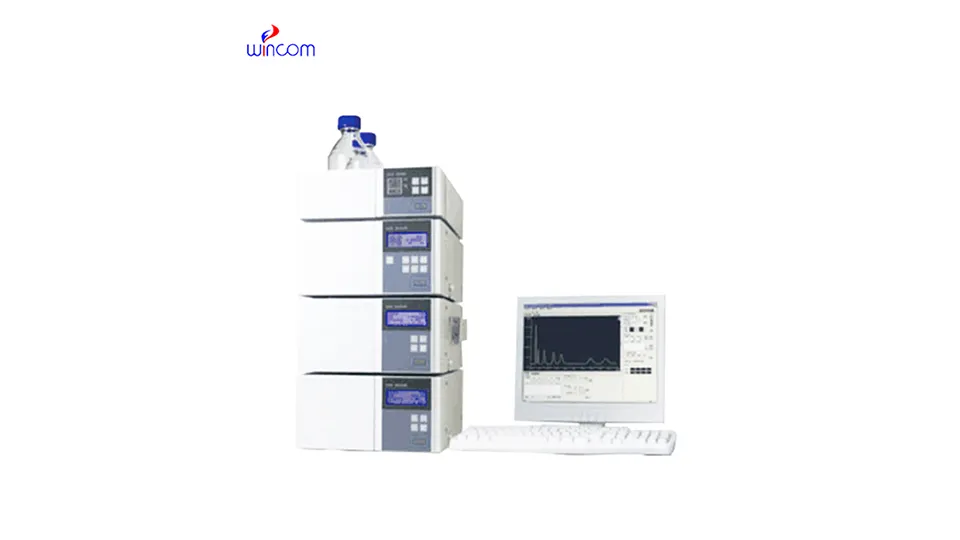
គោលការណ៍ស្នូលនៃ HPLC គឺត្រូវប្រើភាពខុសគ្នានៃមេគុណចែកចាយនៃសារធាតុផ្សេងៗគ្នារវាងដំណាក់កាលស្ថានី និងដំណាក់កាលចល័ត ដើម្បីសម្រេចបាននូវការបំបែកនៃល្បាយ។ ដំណើរការជាក់លាក់មានដូចខាងក្រោម:
ការចែកចាយដំណាក់កាលចល័ត៖ ស្នប់សម្ពាធខ្ពស់ចុចដំណាក់កាលចល័ត (ជាធម្មតាល្បាយនៃសារធាតុរំលាយសរីរាង្គ និងទឹក) ចូលទៅក្នុងប្រព័ន្ធក្នុងអត្រាលំហូរថេរដើម្បីបង្កើតលំហូររាវមានស្ថេរភាព។
ការចាក់សំណាកគំរូ៖ ឧបករណ៍សំណាកដោយស្វ័យប្រវត្តិ ចាក់ចំនួនដាននៃគំរូទៅក្នុងដំណាក់កាលចល័តដើម្បីបង្កើតជាក្រុមគំរូ។
ការបំបែកជួរឈរ: គំរូចូលទៅក្នុងជួរឈរជាមួយដំណាក់កាលចល័ត (មានភាគល្អិតដំណាក់កាលស្ថានី) ។ លក្ខណៈសម្បត្តិគីមី ឬរចនាសម្ព័ន្ធរូបវន្តនៃដំណាក់កាលស្ថានីមានអន្តរកម្មជាមួយសមាសធាតុគំរូ (ដូចជា ការស្រូបយក ការចែកចាយ ការផ្លាស់ប្តូរអ៊ីយ៉ុង។
ការរកឃើញ និងការថតសំឡេង៖ សមាសធាតុដែលបំបែកបានហូរចេញពីជួរឈរក្រូម៉ាតូក្រាមជាវេន បញ្ចូលឧបករណ៍ចាប់សញ្ញា (ដូចជាឧបករណ៍ចាប់ពន្លឺដែលអាចមើលឃើញដោយកាំរស្មីអ៊ុលត្រាវីយូឡេ ឧបករណ៍ចាប់សញ្ញាម៉ាស់។
ប្រព័ន្ធ HPLC មានម៉ូឌុលសំខាន់ៗចំនួន 4 ដែលនីមួយៗធ្វើការរួមគ្នាដើម្បីសម្រេចបាននូវការបំបែកប្រកបដោយប្រសិទ្ធភាព:
ស្នប់សម្ពាធខ្ពស់: ផ្តល់នូវសម្ពាធស្ថេរភាព (ជាធម្មតា 1-40 MPa) ដើម្បីធានាបាននូវអត្រាលំហូរថេរនៃដំណាក់កាលចល័តតាមរយៈជួរឈរ។ ការប្រែប្រួលនៃអត្រាលំហូរអាចប៉ះពាល់ដល់លទ្ធភាពនៃការបន្តពូជដោយបំបែក។
ឧបករណ៍ elution ជម្រាល៖ បង្កើនប្រសិទ្ធភាពការបំបែកសំណាកស្មុគ្រស្មាញដោយការកែតម្រូវសមាសភាពដំណាក់កាលចល័ត (ដូចជាប៉ូល)។ ជាឧទាហរណ៍ ការផ្លាស់ប្តូរបន្តិចម្តងៗពីសារធាតុរំលាយប៉ូលទាបទៅជាសារធាតុរំលាយប៉ូលខ្ពស់អាចកាត់បន្ថយរយៈពេលនៃការវិភាគ និងកែលម្អស៊ីមេទ្រីកំពូល។
ឧបករណ៍សំណាកដោយស្វ័យប្រវត្តិ៖ គ្រប់គ្រងបរិមាណចាក់បានត្រឹមត្រូវ (ជាធម្មតា 0.1-100 μL) ដើម្បីកាត់បន្ថយកំហុសរបស់មនុស្ស។ គំរូផ្នែកខ្លះគាំទ្រការវិភាគតាមលំដាប់ និងអាចដំណើរការគំរូច្រើនជាបន្តបន្ទាប់។
ជួរឈរក្រូម៉ាតៈ សមាសធាតុស្នូលមានដំណាក់កាលស្ថានី (ដូចជាម៉ាទ្រីសស៊ីលីកាជែល ការវេចខ្ចប់វត្ថុធាតុ polymer)។ ទំហំភាគល្អិត (ជាធម្មតា 1.8-10 μm) ទំហំរន្ធញើស និងការកែប្រែផ្ទៃនៃដំណាក់កាលស្ថានីកំណត់ប្រសិទ្ធភាពនៃការបំបែក។ ឧបករណ៍បំពេញទំហំភាគល្អិតតូចអាចបង្កើនប្រសិទ្ធភាពជួរឈរ ប៉ុន្តែត្រូវការសម្ពាធខ្ពស់ជាង។
ឡចំហាយជួរឈរ៖ គ្រប់គ្រងសីតុណ្ហភាពជួរឈរ (ជាធម្មតា 20-40 ℃) ដើម្បីប៉ះពាល់ដល់កម្លាំងអន្តរកម្មរវាងដំណាក់កាលស្ថានី និងគំរូ និង viscosity នៃដំណាក់កាលចល័ត ដោយហេតុនេះធ្វើឱ្យលក្ខខណ្ឌនៃការបំបែកកាន់តែល្អប្រសើរ។
ឧបករណ៍ចាប់សញ្ញា៖ យោងតាមគោលការណ៍រាវរកពួកវាត្រូវបានបែងចែកទៅជាប្រភេទទូទៅ (ដូចជាឧបករណ៍ចាប់សញ្ញាចំណាំងផ្លាតឌីផេរ៉ង់ស្យែល) និងប្រភេទជ្រើសរើស (ដូចជាឧបករណ៍ចាប់ពន្លឺ)។ ឧបករណ៍ចាប់កាំរស្មីអ៊ុលត្រាវីយូឡេបានក្លាយជាប្រភេទដែលប្រើជាទូទៅដោយសារតែភាពប្រែប្រួលខ្ពស់ និងជួរកម្មវិធីធំទូលាយ។
កម្មវិធីដំណើរការទិន្នន័យ៖ បំប្លែងសញ្ញាអគ្គិសនីទៅជាក្រូម៉ាតូក្រាម គណនាពេលវេលារក្សាទុក តំបន់កំពូល និងប៉ារ៉ាម៉ែត្រផ្សេងទៀត និងសម្រេចបានការវិភាគបរិមាណ។
ដំណាក់កាលស្ថានីគឺប៉ូល (ដូចជាស៊ីលីកាជែល) ហើយដំណាក់កាលចល័តគឺមិនមែនប៉ូល (ដូចជា n-hexane) ។ ស័ក្តិសមសម្រាប់ការបំបែកសមាសធាតុដែលមានភាពខុសគ្នាធំនៅក្នុងប៉ូល ដូចជាវីតាមីនរលាយជាតិខ្លាញ់។
ដំណាក់កាលស្ថានីគឺគ្មានប៉ូល (ឧទាហរណ៍ខ្សែសង្វាក់ C18) ហើយដំណាក់កាលចល័តគឺប៉ូល (ឧ. មេតាណុល-ទឹក)។ វាគឺជាគំរូដែលត្រូវបានប្រើប្រាស់យ៉ាងទូលំទូលាយសម្រាប់ការបំបែកសារធាតុប៉ូលមធ្យមទៅជាសមាសធាតុមិនប៉ូឡា ដូចជាថ្នាំ និងប្រូតេអ៊ីន។
ដំណាក់កាលស្ថានីត្រូវបានគិតថ្លៃ (ដូចជាក្រុមអាស៊ីតស៊ុលហ្វូន ឬក្រុមអាម៉ូញ៉ូម quaternary) ហើយសមាសធាតុអ៊ីយ៉ុងដូចជាអាស៊ីតអាមីណូ និងអ៊ីយ៉ុងអសរីរាង្គត្រូវបានបំបែកដោយសកម្មភាពអេឡិចត្រូស្ទិក។
ដំណាក់កាលស្ថានីគឺជាជែល porous ដែលត្រូវបានបំបែកតាមទំហំម៉ូលេគុល និងសមរម្យសម្រាប់ការវិភាគការចែកចាយទម្ងន់ម៉ូលេគុលនៃម៉ាក្រូម៉ូលេគុល (ដូចជាប្រូតេអ៊ីន និងប៉ូលីម៊ែរ)។
គុណសម្បត្តិរបស់ HPLC គឺប្រសិទ្ធភាពបំបែកខ្ពស់ ពេលវេលាវិភាគខ្លី និងភាពស័ក្តិសមសម្រាប់សមាសធាតុមិនស្ថិតស្ថេរកម្ដៅ។ កម្មវិធីរបស់វាគ្របដណ្តប់:
វិស័យឱសថ៖ ការធ្វើតេស្តភាពបរិសុទ្ធរបស់ថ្នាំ ការវិភាគមេតាបូលីត;
ការត្រួតពិនិត្យបរិស្ថាន៖ ការកំណត់អ៊ីដ្រូកាបូនក្រអូប polycyclic និងសំណល់ថ្នាំសម្លាប់សត្វល្អិតនៅក្នុងទឹក;
ការវិភាគអាហារ៖ ការវិភាគបរិមាណនៃសារធាតុបន្ថែម និងសារធាតុរក្សាទុក។
ការស្រាវជ្រាវជីវសាស្រ្ត៖ ការបំបែក និងការបន្សុតប្រូតេអ៊ីន និង peptides ។
តាមរយៈការបង្កើនប្រសិទ្ធភាពប៉ារ៉ាម៉ែត្រដូចជាប្រភេទដំណាក់កាលស្ថានី សមាសភាពដំណាក់កាលចល័ត និងសីតុណ្ហភាពជួរឈរ HPLC អាចសម្រេចបាននូវការបំបែកប្រកបដោយប្រសិទ្ធភាពពីល្បាយសាមញ្ញទៅជាគំរូជីវសាស្ត្រស្មុគស្មាញ ដែលធ្វើឱ្យវាក្លាយជាឧបករណ៍ដែលមិនអាចខ្វះបានក្នុងគីមីវិទ្យាវិភាគទំនើប។
អ៊ីមែល: [email protected]
ទូរស័ព្ទ៖ +86-731-84176622
+86-731-84136655
អាស័យដ្ឋាន៖ Rm.1507, Xinsancheng Plaza ។ លេខ 58 ផ្លូវ Renmin (E) ទីក្រុង Changsha ខេត្ត Hunan ប្រទេសចិន


 EN
EN
 af
af
 es
es
 ar
ar
 tr
tr
 sw
sw
 pt
pt
 th
th
 ur
ur
 bn
bn
 ne
ne
 vi
vi
 km
km
 lo
lo
 de
de
 ru
ru
 fi
fi
 nl
nl
 fa
fa
 fr
fr
 ko
ko