In a hospital environment, Portable Anaesthesia Machine acts as the primary tool for the delivery of regulated anesthesia with active patient monitoring. It constantly gives information about the state of sedation such as oxygen, respiration, and gas levels. Therefore, the anesthetist is still able to keep the patient safe during surgeries and other critical parts of the patient’s medical care through this device. The unification of the vaporizers, the flow meters, and safety systems results in performances that are always trustworthy in areas like operating rooms, post-op recovery, and medical research, therefore being a big help in the area of anesthesia-related incidents since they will occur less frequently due to the greater procedural consistency.
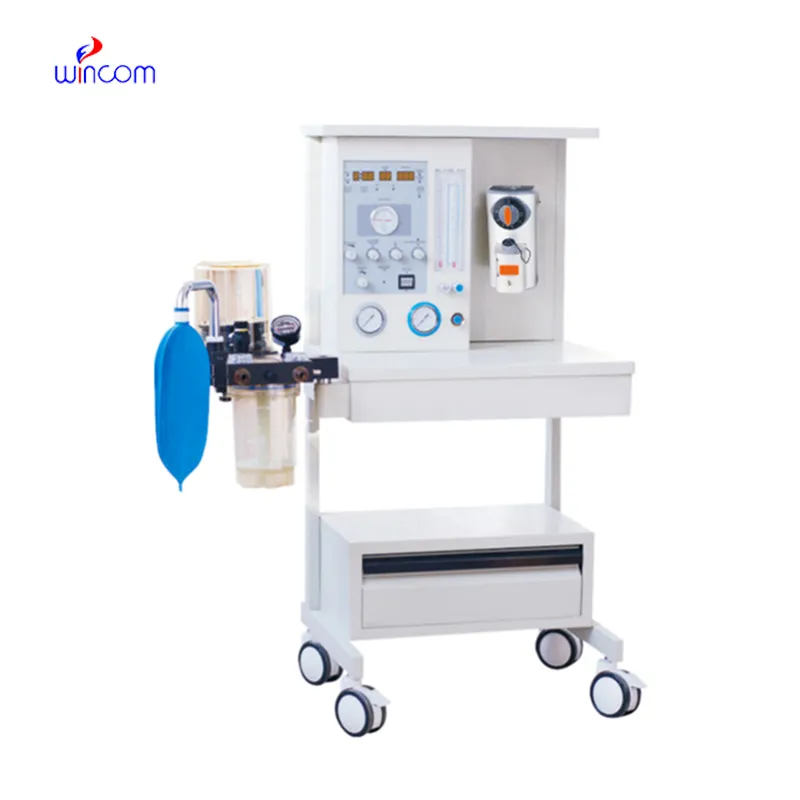
Portable Anaesthesia Machine is being practiced in emergency departments as a means of fast anesthesia induction during urgent surgical interventions. Trauma cases usually have unstable patients, which makes precise management of ventilation and anesthetic delivery very important. The apparatus gives the medical personnel the opportunity to rapidly adapt gas flow and airway pressure to the patient's reaction. The introduction of the device is facilitating the management of the airway securely during the period of emergency intubation and immediate operative care. By its dependable function in emergencies, Portable Anaesthesia Machine not only helps but also hospitals to provide anesthesia that is effective during emergencies that are critically timed.
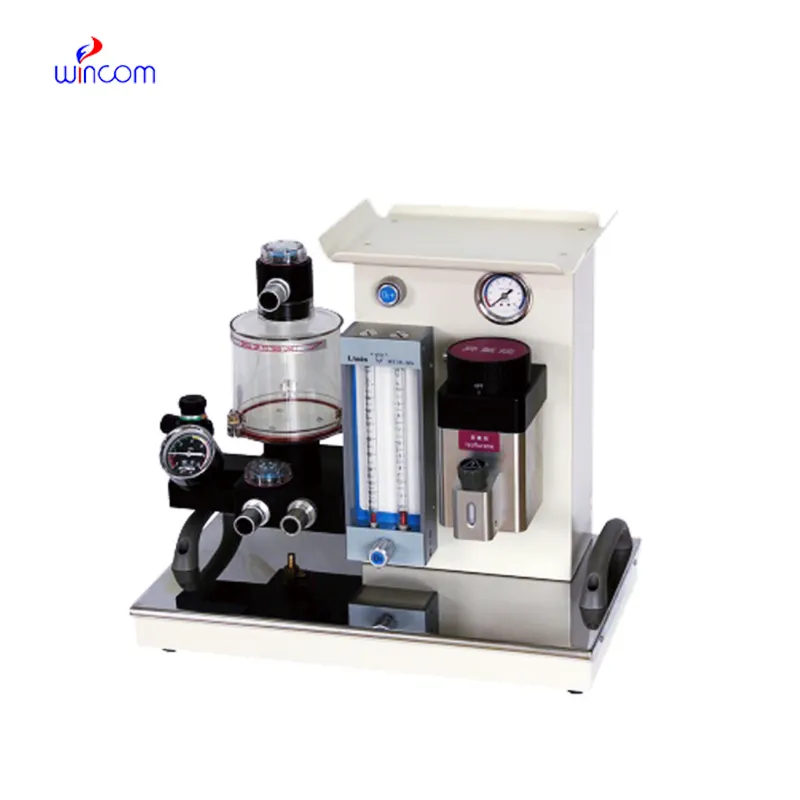
It is expected that the integration of remote monitoring technologies will greatly influence the development in Portable Anaesthesia Machine. Anesthesiologists would be able to monitor several machines from main control rooms located in hospitals. This method helps not only to increase but also to facilitate the work flow and rapid reactions in large medical centers. In hospitals where teaching takes place, remote access may also be a powerful tool for education and supervision. The ever-increasing connectivity indicates that Portable Anaesthesia Machine will be included in the extensive monitoring ecosystems of the entire hospital.
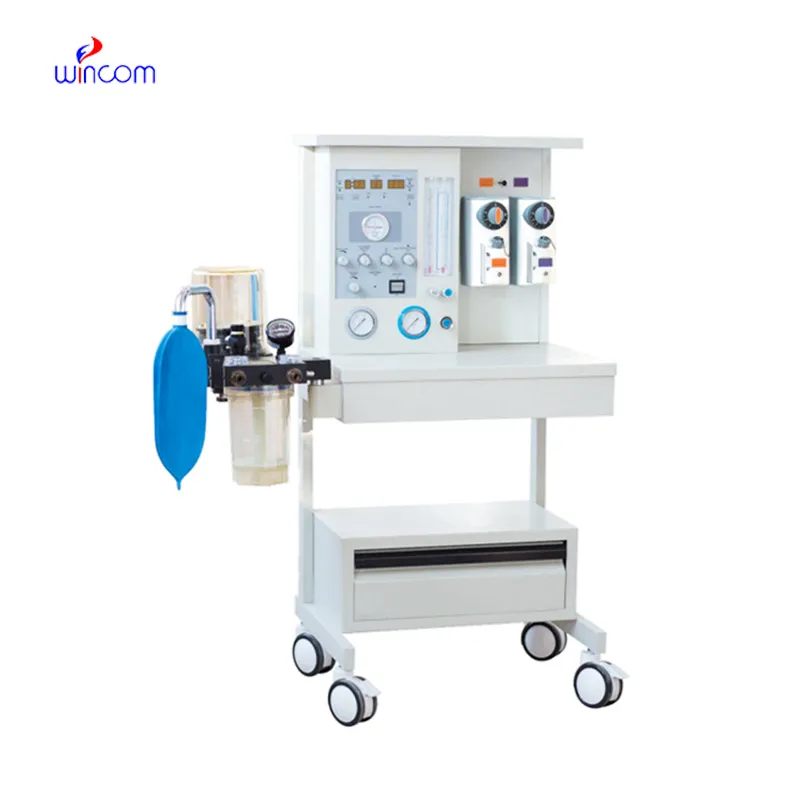
The proper care of Portable Anaesthesia Machine starts with weekly inspection before and after daily clinical use. The gas pipelines, connectors, and flow meters should be checked by the hospital staff to make sure they are working correctly. Cleaning and replacing of breathing circuits and masks should be done according to infection control protocols. Regular calibration of monitoring components is a way to always have accurate readings. In high-traffic operating rooms, stable maintenance schedules cut down on sudden breaks. Hospitals can prolong the lifespan of Portable Anaesthesia Machine and keep anesthesia delivery reliable by using inspection schedules that are structured.
In contemporary medical centers, Portable Anaesthesia Machine is implemented for the purpose of ensuring stability in anesthesia throughout intricate surgical procedures. It manages the amount of anesthetic gasses and at the same time gives continuous feedback on the patient's breathing and oxygen levels. The apparatus permits uninterrupted observation of life signs and makes it possible to carry out modifications according to the needs of the patient. Moreover, Portable Anaesthesia Machine facilitates accurate anesthesia management, thereby mitigating the dangers linked to both over- and under-sedation and leading to the best possible patient outcomes in all hospital operating rooms and clinical labs.
Q: What gases does the Anesthesia Machine make use of? A: The regular gases are oxygen, nitrous oxide, and volatile anesthetic agents. Q: Is the Anesthesia Machine suitable for long surgeries? A: Yes, it was designed to maintain stable anesthesia throughout long operations. Q: Under machine control how does the anesthesia concentration occur? A: The vaporizers dispense a precisely-measured amount of anesthetic gas to the patient. Q: Could the machine be used for pediatric patients? A: Yes, but only if the settings are modified by the experienced medical personnel. Q: Is there a built-in alarm system for the machine? A: Yes, alarms are present to alert the staff to changes in pressure, gas flow, or oxygen levels.
The delivery bed is well-designed and reliable. Our staff finds it simple to operate, and patients feel comfortable using it.
The microscope delivers incredibly sharp images and precise focusing. It’s perfect for both professional lab work and educational use.
To protect the privacy of our buyers, only public service email domains like Gmail, Yahoo, and MSN will be displayed. Additionally, only a limited portion of the inquiry content will be shown.
Could you share the specifications and price for your hospital bed models? We’re looking for adjus...
I’m looking to purchase several microscopes for a research lab. Please let me know the price list ...
E-mail: [email protected]
Tel: +86-731-84176622
+86-731-84136655
Address: Rm.1507,Xinsancheng Plaza. No.58, Renmin Road(E),Changsha,Hunan,China


 EN
 af
 es
 ar
 tr
 sw
 pt
 th
 ur
 bn
 ne
 vi
 km
 lo
 de
 ru
 fi
 nl
 fa
 fr
 ko