In the hospital and laboratory environments, apl valve anesthesia machine provides a complete anesthesia management solution by integrating gas delivery, ventilation support, and continuous physiological monitoring. The equipment measures oxygen saturation, airway pressures, and respiratory parameters, thus enabling anesthesiologists to react promptly to the demands of the patients. A precise control of anesthetic gases is guaranteed by integrated safety alarms and adjustable flow systems. apl valve anesthesia machine finds its utility in operating rooms, emergency care units, and laboratory-based clinical studies. Its dependable performance not only secures patient stability but also increases the efficiency of the procedure and facilitates uniform monitoring across various hospital settings.
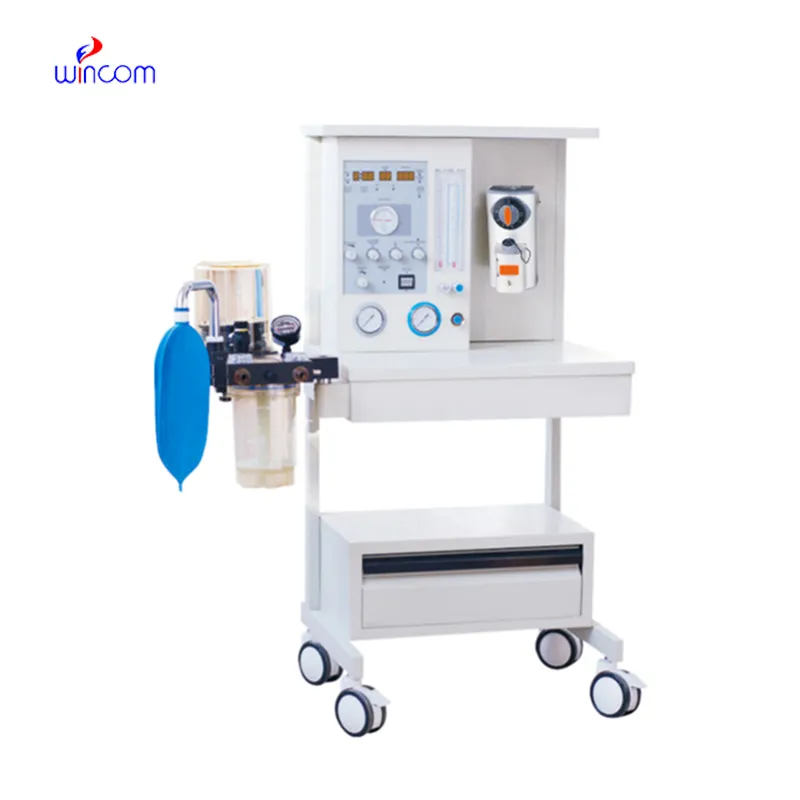
In medical research done in the laboratory, apl valve anesthesia machine is utilized for keeping anesthesia under control during experimental procedures. The researchers apply the instrument for the purpose of keeping steady respiratory conditions and thereby studying physiological reactions. The anesthetic's delivery exactness is determined to be the basis for the experiments' reproducibility and safety. The capability of the device to monitor helps to observe the respiratory and oxygen variables during the entire course of the experiment. This specific use exemplifies the importance of apl valve anesthesia machine in assisting clinical trials and laboratory studies in the realm of medicine.
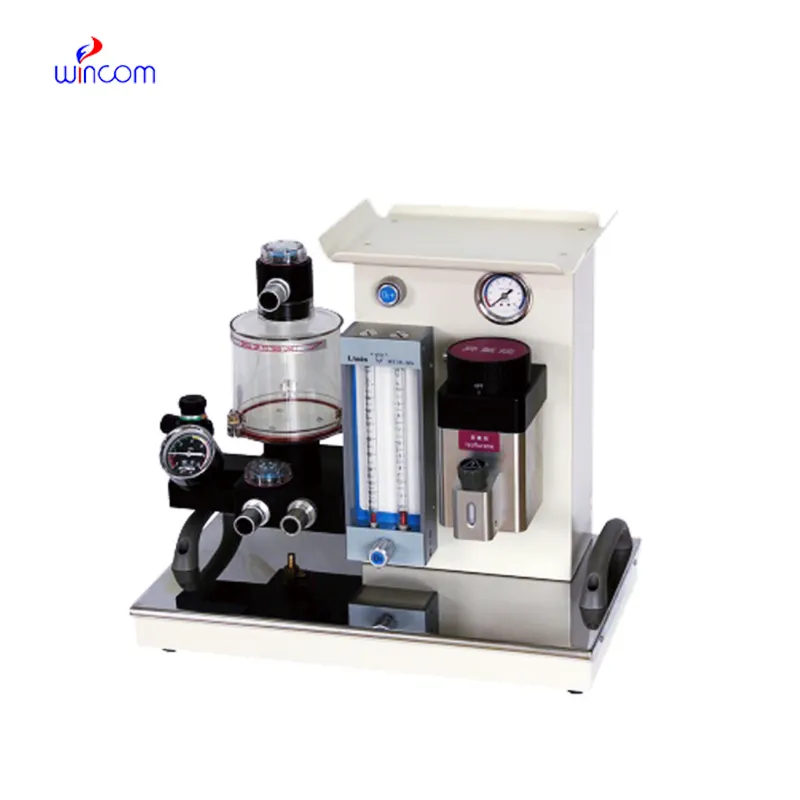
Further development of apl valve anesthesia machine is likely to incorporate state-of-the-art alarm and detection systems which will make patient safety the top priority. More sensitive sensors might even manage to detect minute variations in airway pressure, oxygen supply, or even respiratory patterns. Hospitals might get the advantage of getting the alerts earlier and managing the risks better. This development leads to safer administration of anesthesia in high-risk surgeries and also the critical care areas. So, with the passage of time, apl valve anesthesia machinewill surely become more protective of the patients via technology.
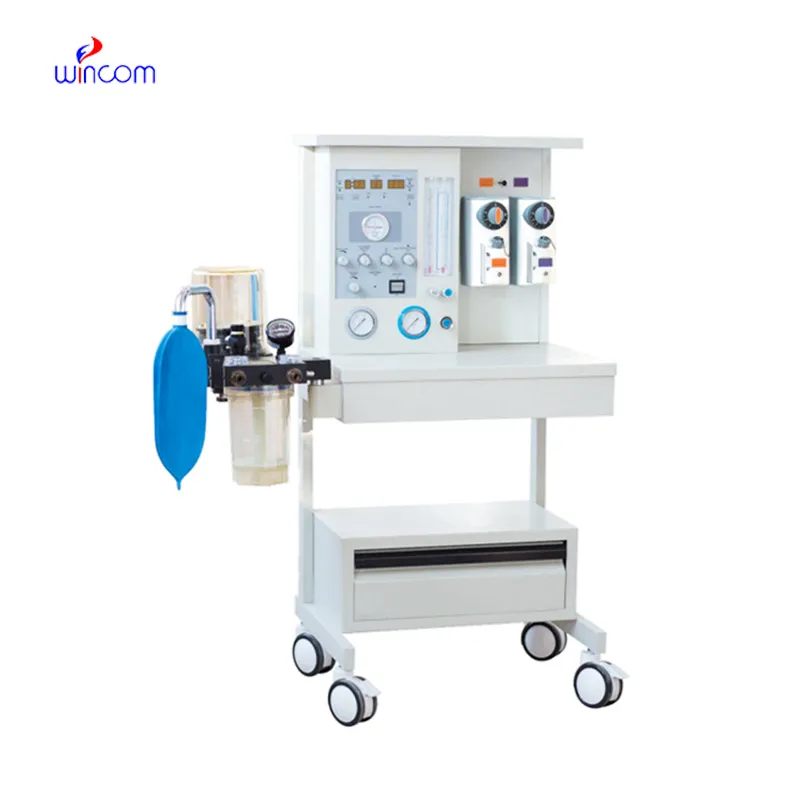
The gas delivery parts of apl valve anesthesia machine maintenance need to be very careful. It is a must to have the oxygen sensors and gas flow regulators tested frequently to verify their correctness. Performance issues can be caused if the hose or connector leaks are not detected and fixed soon. In the operating theaters, dependable gas supply is a means of securing the patients' safety during the surgeries. Periodic testing makes sure that the apparatus is always operating properly under different clinical scenarios.
apl valve anesthesia machine is a crucial medical apparatus used in hospitals, intended to administer accurate anesthetic gases and at the same time, allow patient ventilation during surgery. It incorporates monitoring systems which constantly measure the oxygen levels, respiratory rate, and airway pressures, thus ensuring patient safety during the entire procedure. The device, which is made up of vaporizers, flow meters, and alarms, allows anesthesiologists to control sedation uniformly and react to different physiological situations. Its use goes from operating rooms to emergency departments and laboratory-based clinical studies, thus providing consistent performance for efficient anesthesia administration and facilitating good patient management in various hospital environments.
Q: What gases does the Anesthesia Machine make use of? A: The regular gases are oxygen, nitrous oxide, and volatile anesthetic agents. Q: Is the Anesthesia Machine suitable for long surgeries? A: Yes, it was designed to maintain stable anesthesia throughout long operations. Q: Under machine control how does the anesthesia concentration occur? A: The vaporizers dispense a precisely-measured amount of anesthetic gas to the patient. Q: Could the machine be used for pediatric patients? A: Yes, but only if the settings are modified by the experienced medical personnel. Q: Is there a built-in alarm system for the machine? A: Yes, alarms are present to alert the staff to changes in pressure, gas flow, or oxygen levels.
I’ve used several microscopes before, but this one stands out for its sturdy design and smooth magnification control.
The delivery bed is well-designed and reliable. Our staff finds it simple to operate, and patients feel comfortable using it.
To protect the privacy of our buyers, only public service email domains like Gmail, Yahoo, and MSN will be displayed. Additionally, only a limited portion of the inquiry content will be shown.
Hello, I’m interested in your centrifuge models for laboratory use. Could you please send me more ...
Could you please provide more information about your microscope range? I’d like to know the magnif...
E-mail: [email protected]
Tel: +86-731-84176622
+86-731-84136655
Address: Rm.1507,Xinsancheng Plaza. No.58, Renmin Road(E),Changsha,Hunan,China


 EN
 af
 es
 ar
 tr
 sw
 pt
 th
 ur
 bn
 ne
 vi
 km
 lo
 de
 ru
 fi
 nl
 fa
 fr
 ko