The structure of china blood collection capillary tubes has been improved to suit both clinical and laboratory applications. Sealing, sterilization, and pre-added substances keep blood samples in their most stable form. Besides, they are used in hospitals for several purposes such as preventing clotting, keeping cellular components alive, and facilitating accurate diagnostic tests. The standardization of their sizes and the color-coded caps used for them help in easy identification and also minimize pre-analytical errors. The integration of china blood collection capillary tubes with laboratory instruments like centrifuges and analyzers results in improved workflow and reliable results. These tubes are indispensable in both hospitals and research laboratories as they help maintain the accuracy and efficiency of the processes.
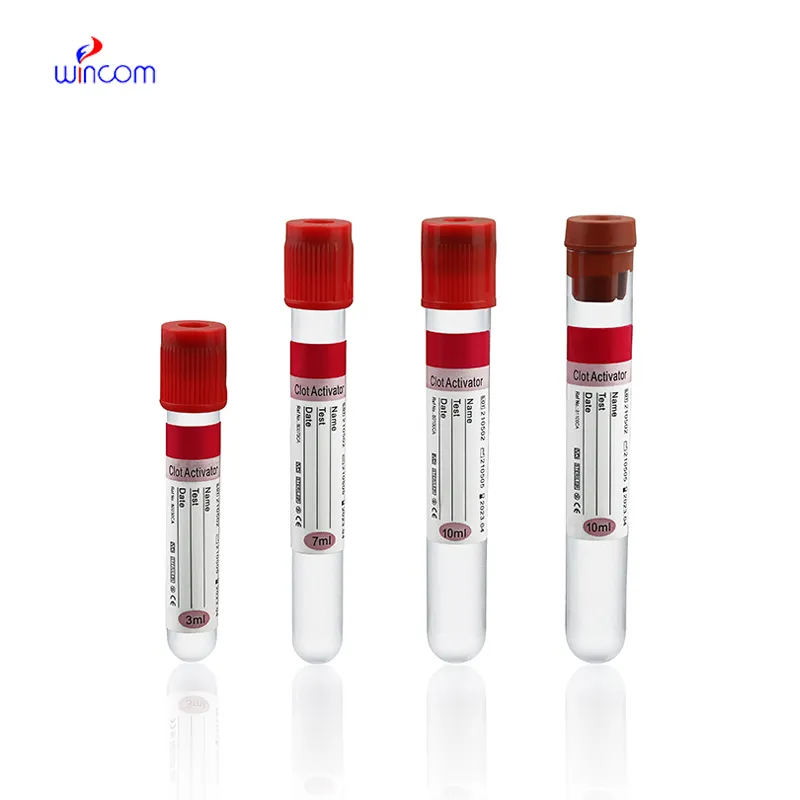
Infectious disease units utilize china blood collection capillary tubes to obtain blood for detection of pathogens, serology, and molecular diagnostics. Their sterile construction along with chemical additives help in the stabilization of samples for the testing process thus giving accurate results. Hospital personnel place colored caps on the tubes according to a code indicating the assays to which the tubes are assigned, thus facilitating prompt processing and lessening the risk of contamination. Tubes are compatible with automated analyzers which makes them a part of the efficient workflow in high-demand environments. The use of china blood collection capillary tubes in these units allows healthcare facilities to keep a constant and prompt detection of infections thus providing a better patient safety and support in the infection control protocols as well.
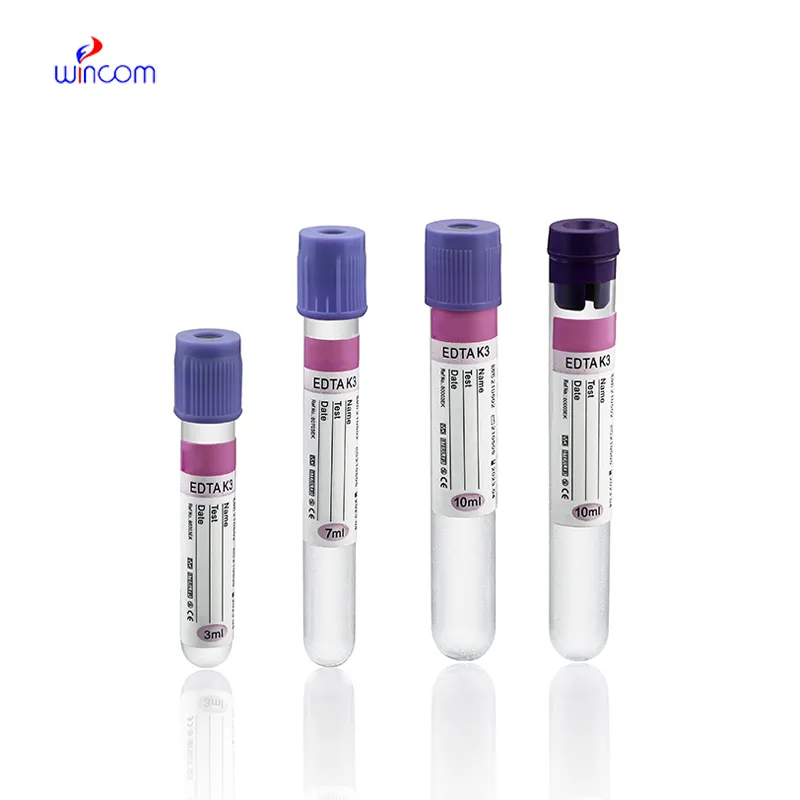
In hospitals, the sophisticated china blood collection capillary tubes might consist of immediate data transfer, which would make it possible for the laboratory information systems to observe the conditions of the collection and transportation of the samples remotely. The tubes could manage to deliver data regarding the temperature, shaking, and duration, thus maintaining the sample's integrity prior to analysis. The combination with automation will lead to a decrease in the handling and error rates. The next china blood collection capillary tubes will offer digital connectivity along with the use of superior materials and pre-measured additives, which will improve the communication between the laboratory and the physicians, the safety of the patients, and the reliability of the diagnosis. The hospitals will depend on the use of these tubes for the optimization of laboratory operations, the support of high-throughput testing, and the delivery of clinical results that are traceable and reproducible.
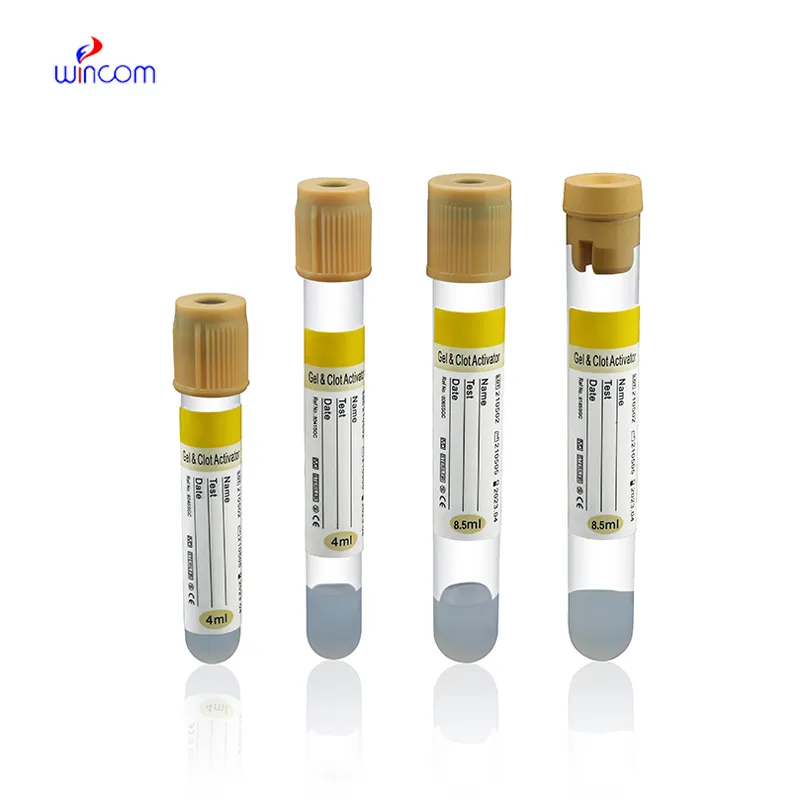
The care procedures for china blood collection capillary tubes focus on hygiene and expert handling of the samples in clinical environments. To avoid contamination, tubes must be taken out of their packaging only at the time of use. The laboratory personnel should ensure that the boxes containing the tubes are not subjected to the weight of heavy objects on top to avoid deformation. Areas for storage need to be controlled so that there is no excessive vibration or humidity. Staff in the hospital are trained to check the tubes by looking for cracks, color changes, or broken seals before the tubes are used. Following these methods aids the process of keeping samples unaltered and, consequently also lab analysis being accurate in the different hospital departments.
china blood collection capillary tubes find their application in clinical chemistry laboratories for the testing of metabolic, hormonal, and enzymatic markers with the highest precision. Most of the time, these tubes are already filled with substances such as clot activators, gel separators, or anticoagulants to make sure that the samples remain intact. Laboratory personnel depend on such tubes for the processes of automatic centrifugation, separation, and analysis. The proper treatment of china blood collection capillary tubes eliminates pre-analytical errors and provides uniformity in the results of multiple tests. Their shape allows for effective workflow in not only high-capacity hospital laboratories but also in specialized testing facilities, hence assisting in timely diagnosis and treatment planning for patients.
Q: What is the purpose of Blood Collection Tubes in emergency departments? A: The main function is to facilitate quick and secure blood collection for urgent diagnostic tests. Q: Are Blood Collection Tubes suitable for infants and children? A: Absolutely, there are specialized smaller-volume tubes for both pediatric and neonate applications. Q: What is the procedure when a Blood Collection Tube gets broken? A: The broken tubes cannot be used and should be disposed of per the hospital's rules. Q: Will Blood Collection Tubes leak if there is an accident? A: Leakage during handling and transport is minimized through the secure caps that are designed for these tubes. Q: What methods do hospitals use for tracking Blood Collection Tubes? A: A number of hospitals are using either labeling or barcode systems for sample identification and traceability.
We’ve been using this mri machine for several months, and the image clarity is excellent. It’s reliable and easy for our team to operate.
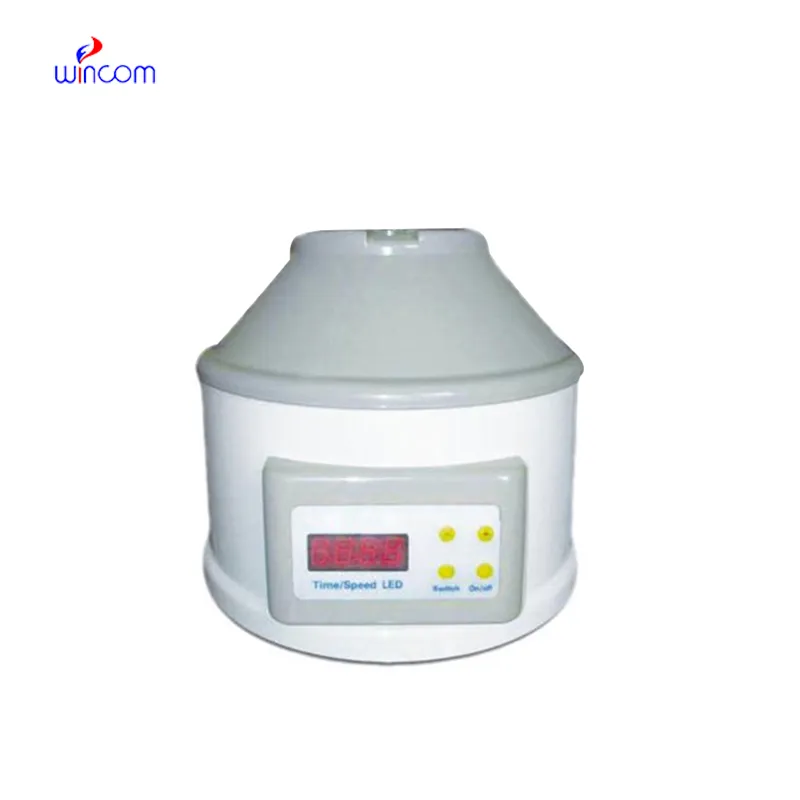
We’ve used this centrifuge for several months now, and it has performed consistently well. The speed control and balance are excellent.
To protect the privacy of our buyers, only public service email domains like Gmail, Yahoo, and MSN will be displayed. Additionally, only a limited portion of the inquiry content will be shown.
Could you share the specifications and price for your hospital bed models? We’re looking for adjus...
I’d like to inquire about your x-ray machine models. Could you provide the technical datasheet, wa...
E-mail: [email protected]
Tel: +86-731-84176622
+86-731-84136655
Address: Rm.1507,Xinsancheng Plaza. No.58, Renmin Road(E),Changsha,Hunan,China


 EN
 af
 es
 ar
 tr
 sw
 pt
 th
 ur
 bn
 ne
 vi
 km
 lo
 de
 ru
 fi
 nl
 fa
 fr
 ko