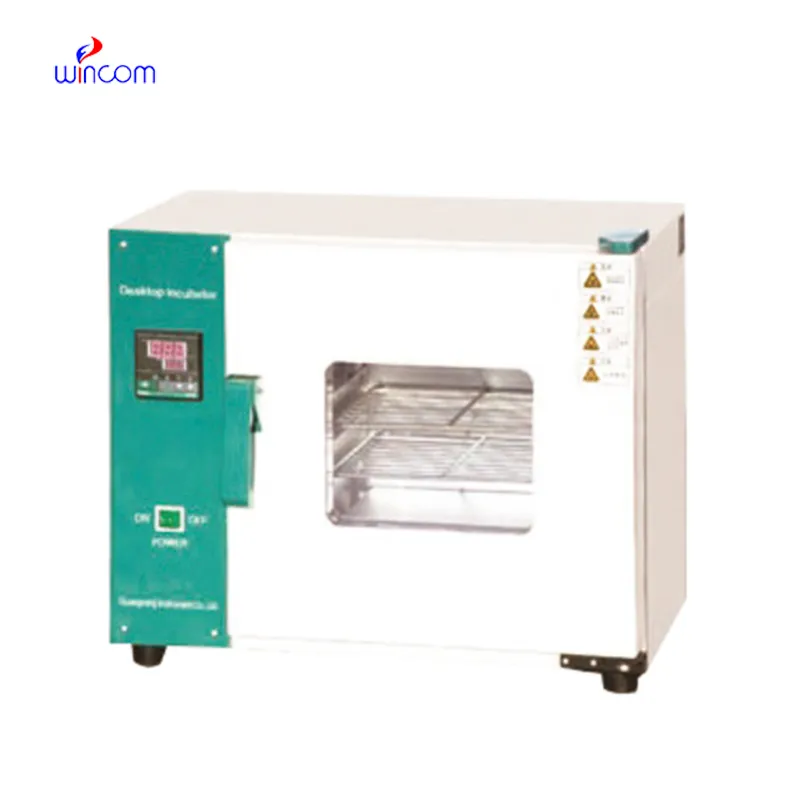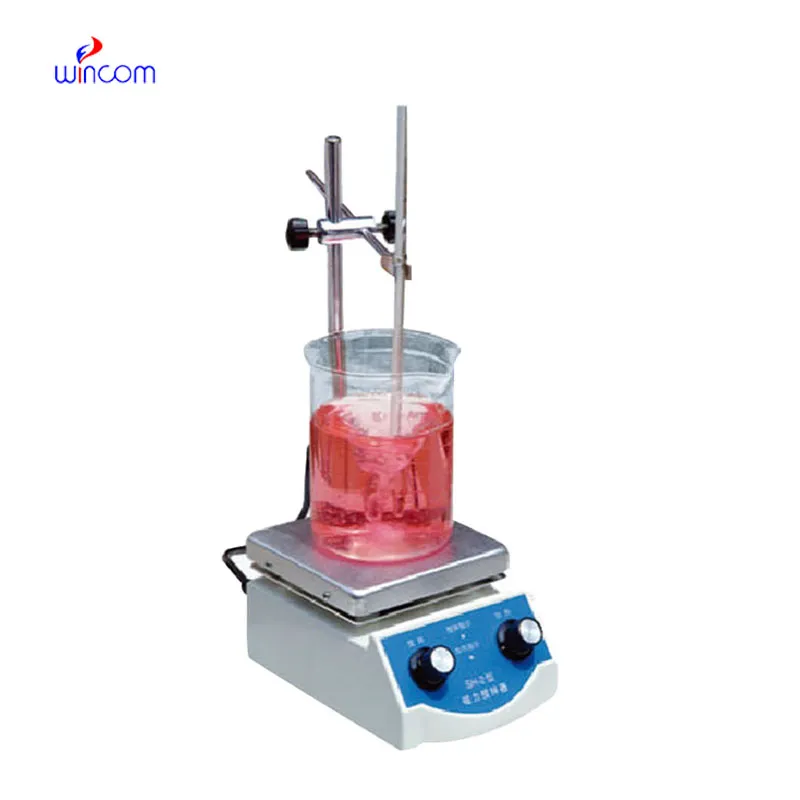
The cooling circulating water bath is designed with reliable temperature control and stable performance in consideration. It has even heating properties that qualify it as a requirement for accurate laboratory testing. The digital temperature controller ensures a safe operation, while the insulated body ensures thermal efficiency. The cooling circulating water bath has safety features such as automatic shut-off and overheat protection. Its corrosion-proof stainless steel chamber offers durability for a long period and easy cleaning. Small in size but very effective, the cooling circulating water bath can be used for a wide variety of laboratory applications where consistent heat and reproducibility are required.
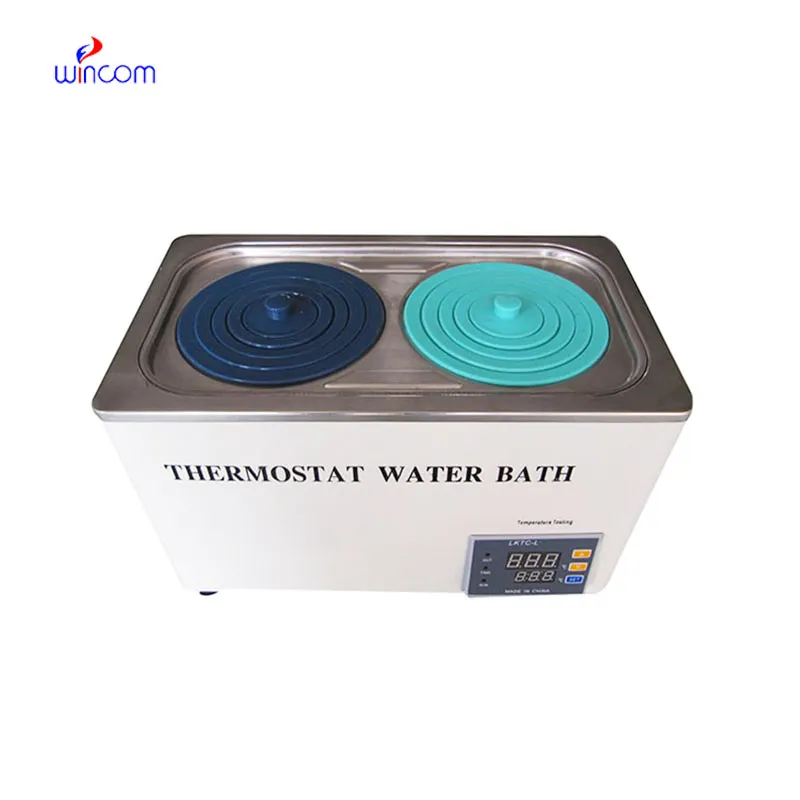
The cooling circulating water bath provides wide usage of laboratory and test protocols through the maintenance of constant temperatures. It is used in sample incubation, coagulation testing, and research on enzymes. In physical and chemical tests, the cooling circulating water bath is utilized to keep products at stable temperatures during tests for viscosity or density. The cooling circulating water bath is further used in food, cosmetic, and pharmaceutical quality testing. The accuracy and stability of the cooling circulating water bath ensure consistent results, making it an integral component of laboratory operations on a daily basis.
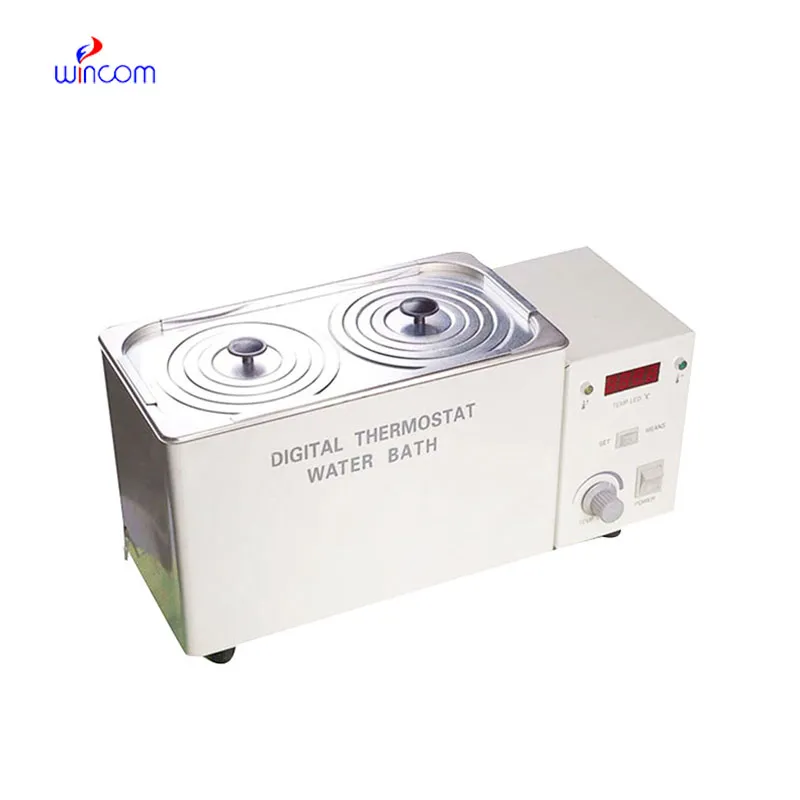
The cooling circulating water bath will undergo dramatic innovation as the labs adopt more intelligent and more environmentally friendly technologies. New designs will have automatic adaptive thermal control that automatically calibrates to maintain accurate temperature specifications. Touch screens and remote access capabilities will enhance monitoring and ease efficiency. The cooling circulating water bath will also aim at energy efficiency with premium insulation and intelligent heating equipment. These functions will render the laboratory instrument more integrated, efficient, and user-friendly.
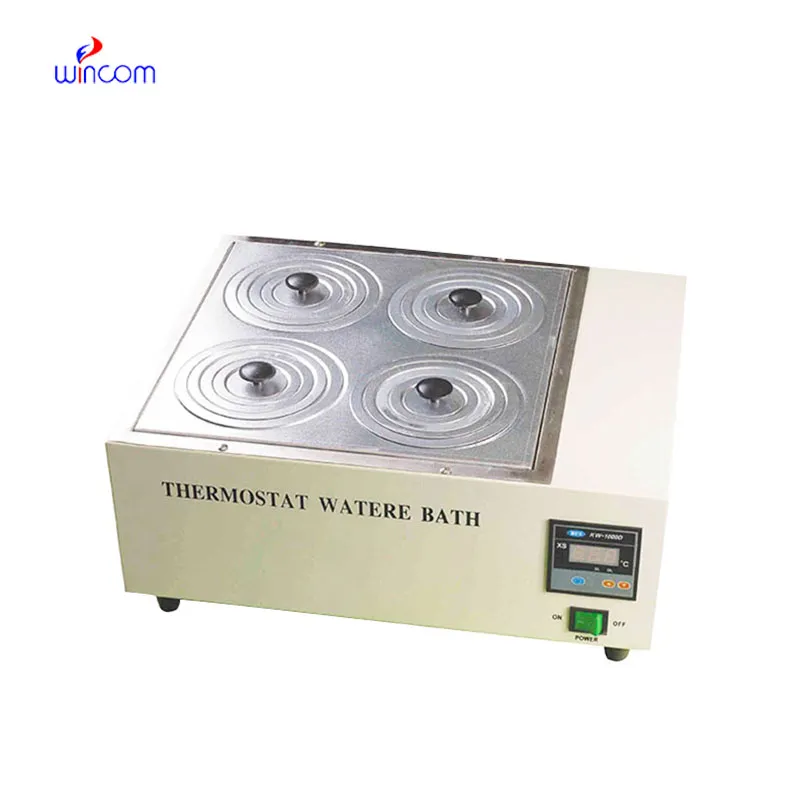
Monitoring of usage and regular cleaning are required to keep the cooling circulating water bath. The water must be replaced at intervals to prevent microbial growth and ensure purity. Drain and dry the tank thoroughly before prolonged periods of inactivity. Clean with soft sponge and non-corrosive cleaner in order to preserve the integrity of the metal chamber. Inspect thermostats and electrical elements for any deviation. Proper ventilation around the cooling circulating water bath also helps to provide proper temperature control. Prompt maintenance guarantees long-term reliability and stable performance.
The cooling circulating water bath is a heat-controlled device from which researchers are able to maintain specimens at specified temperatures. The efficient heat transfer process of the device allows for uniform temperature throughout the chamber. In life science, chemistry, and food testing facilities, the cooling circulating water bath is generally used in the processes such as sample incubation and reagent melting. With a strong focus on precision and safety, it has top-of-the-line thermal control to offer stable performance in a variety of different research settings.
Q: What types of laboratory work benefit from using a water bath? A: Water baths are used in microbiology, chemistry, and biotechnology for incubating samples, warming reagents, and melting substances safely. Q: How can contamination be prevented inside a water bath? A: Cleaning the tank regularly, using distilled water, and covering the bath when not in use can significantly reduce contamination risk. Q: Is it safe to leave a water bath running overnight? A: It is generally safe for models with over-temperature protection, but regular supervision and adherence to manufacturer guidelines are strongly advised. Q: What causes uneven heating in a water bath? A: Uneven heating may result from improper circulation, incorrect water level, or malfunctioning heating elements. Q: Why is it important to monitor the water level in a bath? A: Maintaining an adequate water level prevents damage to heating elements and ensures consistent thermal contact with the samples.
The water bath performs consistently and maintains a stable temperature even during long experiments. It’s reliable and easy to operate.
We’ve been using this mri machine for several months, and the image clarity is excellent. It’s reliable and easy for our team to operate.
To protect the privacy of our buyers, only public service email domains like Gmail, Yahoo, and MSN will be displayed. Additionally, only a limited portion of the inquiry content will be shown.
We’re currently sourcing an ultrasound scanner for hospital use. Please send product specification...
Could you share the specifications and price for your hospital bed models? We’re looking for adjus...
E-mail: [email protected]
Tel: +86-731-84176622
+86-731-84136655
Address: Rm.1507,Xinsancheng Plaza. No.58, Renmin Road(E),Changsha,Hunan,China


 EN
EN
 af
af
 es
es
 ar
ar
 tr
tr
 sw
sw
 pt
pt
 th
th
 ur
ur
 bn
bn
 ne
ne
 vi
vi
 km
km
 lo
lo
 de
de
 ru
ru
 fi
fi
 nl
nl
 fa
fa
 fr
fr
 ko
ko