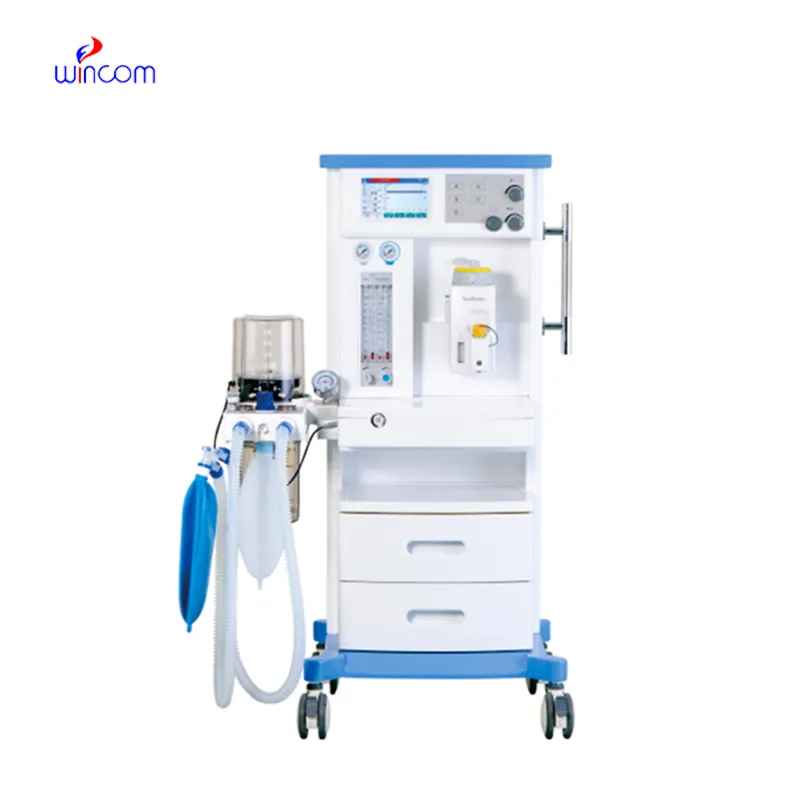
anesthesia machine veterinary medicine is an essential healthcare apparatus in medical facilities, which supports the safe delivery of anesthetic gas and patient ventilation at the same time. Its alert systems give immediate information about oxygen levels, breathing, and airway pressures, thus ensuring the anesthesiologists' control over sedation stability. The device is used in surgery rooms, casualty departments, and laboratory-based clinical research for the purpose of precise anesthesia administration. The combination of vaporizers, flow meters, and alarms guarantees both safety and flexibility. anesthesia machine veterinary medicine support faster procedures, ease the monitoring process, and minimize the chance of complications happening during both ordinary and intricate clinical interventions.
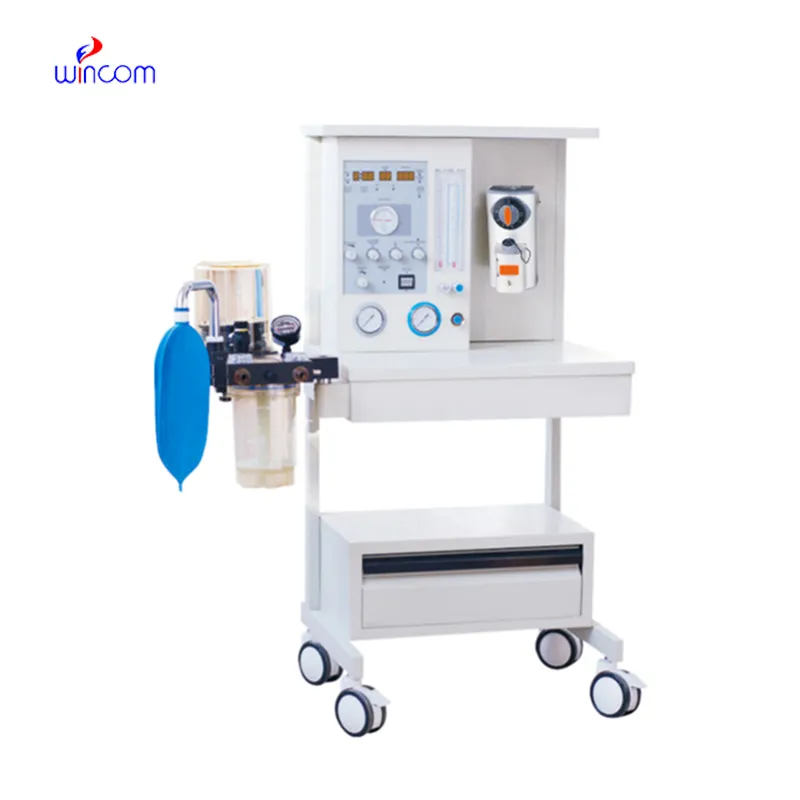
In the pediatric wards, anesthesia machine veterinary medicine is the method of choice for the provision of anesthesia according to children's physiological characteristics. The pediatric population is often subjected to meticulous ventilation and anesthetic dosage control because of their small airways and high sensitivity. The machine contributes to the maintenance of gentle ventilation and precise gas delivery during operations. Its monitoring feature is a constant companion to the medical practitioners who are checking the respiration rates and the oxygen concentrations. This use case points out the necessity of anesthesia machine veterinary medicine in guaranteeing the safety of young patients when they get anesthetized in hospitals.
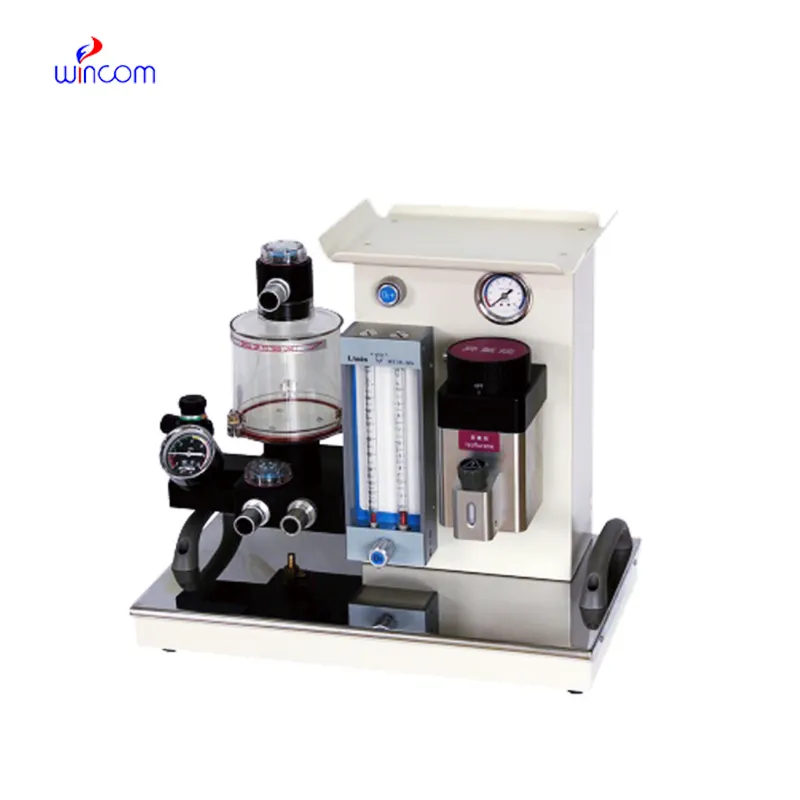
Further development of anesthesia machine veterinary medicine is likely to incorporate state-of-the-art alarm and detection systems which will make patient safety the top priority. More sensitive sensors might even manage to detect minute variations in airway pressure, oxygen supply, or even respiratory patterns. Hospitals might get the advantage of getting the alerts earlier and managing the risks better. This development leads to safer administration of anesthesia in high-risk surgeries and also the critical care areas. So, with the passage of time, anesthesia machine veterinary medicinewill surely become more protective of the patients via technology.
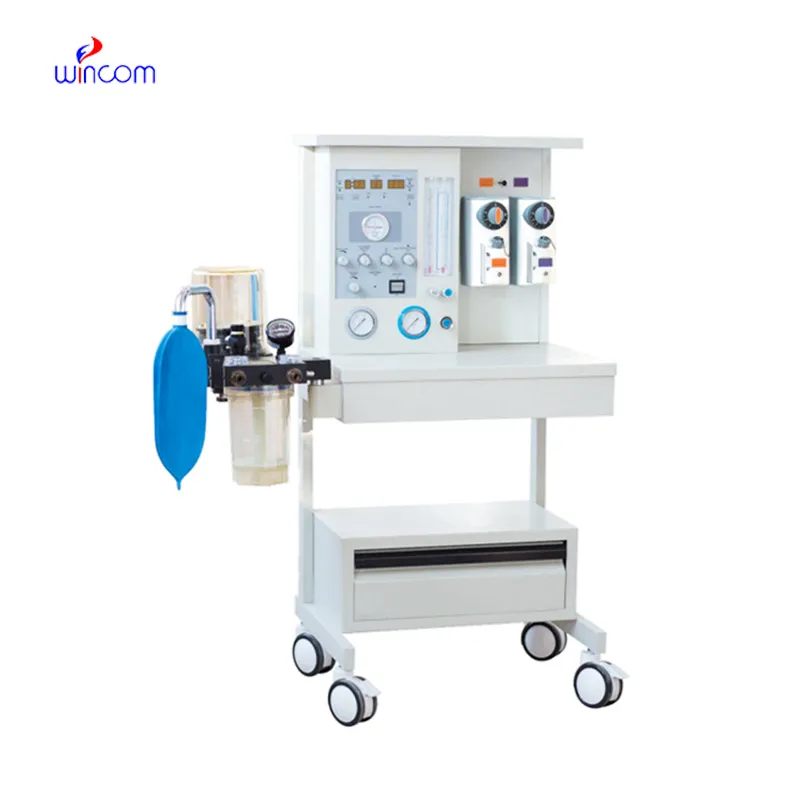
It is vital to have a long-term maintenance plan for controlling anesthesia machine veterinary medicine in the various hospital departments. The schedules of preventive maintenance allow for predicting replacement of the components even before their performance drops. The alliance between the clinicians and the technicians guarantees that service is provided at the right time. This systematic method enables uninterrupted use of anesthesia machines. Through the preventive maintenance approach, the hospitals are always ready to operate and, at the same time, they are taking care of their investment in the medical devices that are most critical.
anesthesia machine veterinary medicine are the key factor in anesthesia management of surgical and critical care units. It offers ventilatory support, delivery of O2, and control of anesthetic gases automatically which together make the process of sedating very reliable.surgeries. It is the device's accuracy that hospitals rely on to keep the patients in a stable condition throughout the procedure. Furthermore, the device’s built-in monitoring functions such as pressure sensors and flow meters, give anesthesiologists the power to adapt the settings based on the real-time physiological data thus making patient care and safety consistent.
Q: What gases does the Anesthesia Machine make use of? A: The regular gases are oxygen, nitrous oxide, and volatile anesthetic agents. Q: Is the Anesthesia Machine suitable for long surgeries? A: Yes, it was designed to maintain stable anesthesia throughout long operations. Q: Under machine control how does the anesthesia concentration occur? A: The vaporizers dispense a precisely-measured amount of anesthetic gas to the patient. Q: Could the machine be used for pediatric patients? A: Yes, but only if the settings are modified by the experienced medical personnel. Q: Is there a built-in alarm system for the machine? A: Yes, alarms are present to alert the staff to changes in pressure, gas flow, or oxygen levels.
We’ve used this centrifuge for several months now, and it has performed consistently well. The speed control and balance are excellent.
This ultrasound scanner has truly improved our workflow. The image resolution and portability make it a great addition to our clinic.
To protect the privacy of our buyers, only public service email domains like Gmail, Yahoo, and MSN will be displayed. Additionally, only a limited portion of the inquiry content will be shown.
I’m looking to purchase several microscopes for a research lab. Please let me know the price list ...
We’re interested in your delivery bed for our maternity department. Please send detailed specifica...
E-mail: [email protected]
Tel: +86-731-84176622
+86-731-84136655
Address: Rm.1507,Xinsancheng Plaza. No.58, Renmin Road(E),Changsha,Hunan,China


 EN
 af
 es
 ar
 tr
 sw
 pt
 th
 ur
 bn
 ne
 vi
 km
 lo
 de
 ru
 fi
 nl
 fa
 fr
 ko